
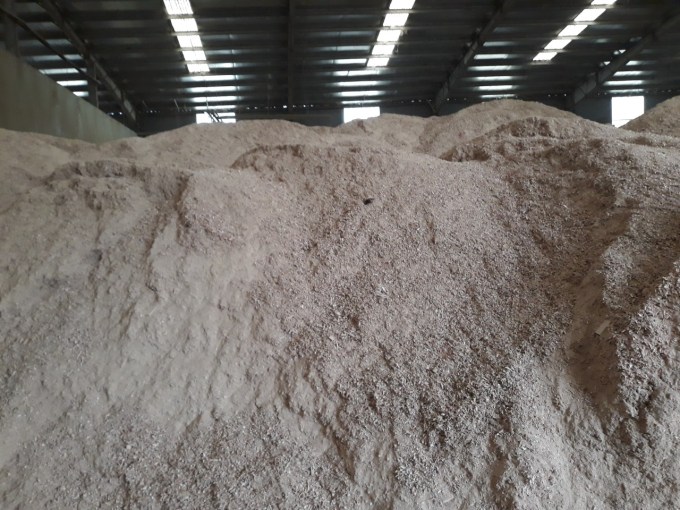
Wood filler: Mixing sawdust and various adhesives makes excellent and inexpensive paint-grade wood filler (for filling up holes or gauges in wood). Use white glue, carpenter’s glue, water-proof glue, or epoxy. (Note: I haven’t tried it with expanding glues like Gorilla Glue.) Apply the adhesive to the sawdust and mix with a putty knife. Spread it, then wait for it to dry. Complete the patch by sanding it smooth.
Blotting material: Spill something on the shop floor? Throw down some sawdust on it and let it sit for a few minutes. Pine sawdust is particularly absorptive. Scoop up the soggy pile and sweep up the remainder.
Let’s say the spill was something gross, like your dog taking a leak. Sawdust works with an added benefit. Scoop up the soggy sawdust and then apply a fresh scattering of it and sprinkle a generous helping of liquid disinfect like Lysol over it and let it set for a few minutes. The sawdust forms a poultice with the cleaner. Scoop it up, let the remaining dust dry, and then sweep. You’d never know.
Hand cleaner: A table saw produces more sawdust than you can use, but its by-product makes an excellent, heavy-duty hand cleaner when mixed with Gojo, dish detergent, Bon Ami, or other gentle cleaners.
My favorite blend consists of hardwoods like oak and maple with a little pine sawdust thrown in for consistency. Form a paste of sawdust and cleaner then work it in thoroughly to remove paint and grease. I know it sounds old-timey, but it works so well that I keep a bag of sawdust with my painting supplies. It’s amazing what the blend will take off.
Payment: LC/TT
$110.00
Tin nhắn của bạn đã được gửi

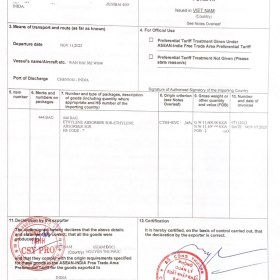
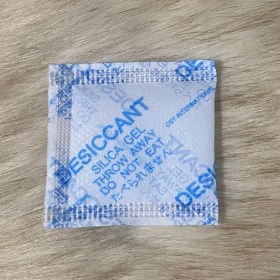
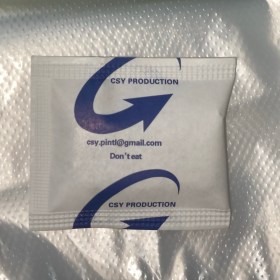
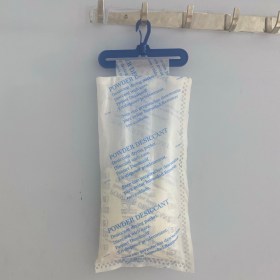

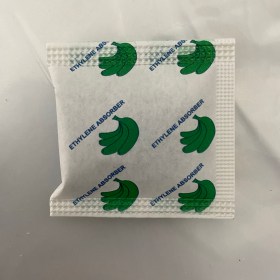
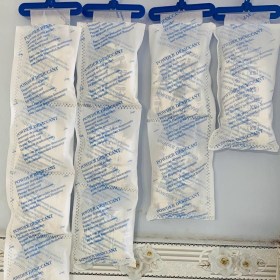
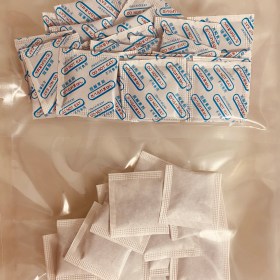
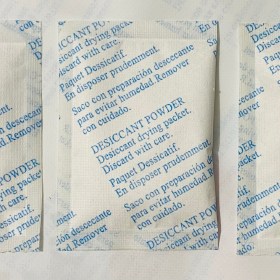
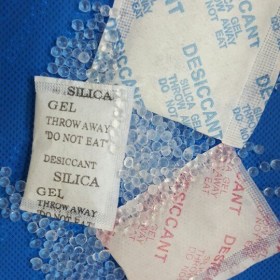
 TÚI CHỐNG ẨM TREO CONTAINER DESICCANT , GÓI HÚT OXY ABSORBER , GÓI GIỮ TƯƠI ETHYLENE ABSORBER , GÓI HÚT ẨM , GÓI BẢO QUẢN THỰC PHẨM , ÁP DỤNG CÔNG NGHỆ XANH HOÁ BAO BÌ AN TOÀN THỰC PHẨM